

BABESIDE Reborn Baby Doll Clothes for 17-20 Inch Dolls, Watermelon Pattern Set , Cute Baby Doll Accessories for Newborn Reborn Girl Dolls
US$36.00
Price when purchased online
Free shipping
Free 30-day returns
Sold and shipped by www.iaqsg.com
We aim to show you accurate product information. Manufacturers, suppliers and others provide what you see here.
US$36.00
Price when purchased online
Free shipping
Free 30-day returns
Sold and shipped by www.iaqsg.com
Free 30-day returns Details
Product details
| Management number | 213420050 | Release Date | 2026/04/12 | List Price | US$36.00 | Model Number | 213420050 | ||
|---|---|---|---|---|---|---|---|---|---|
| Category | |||||||||
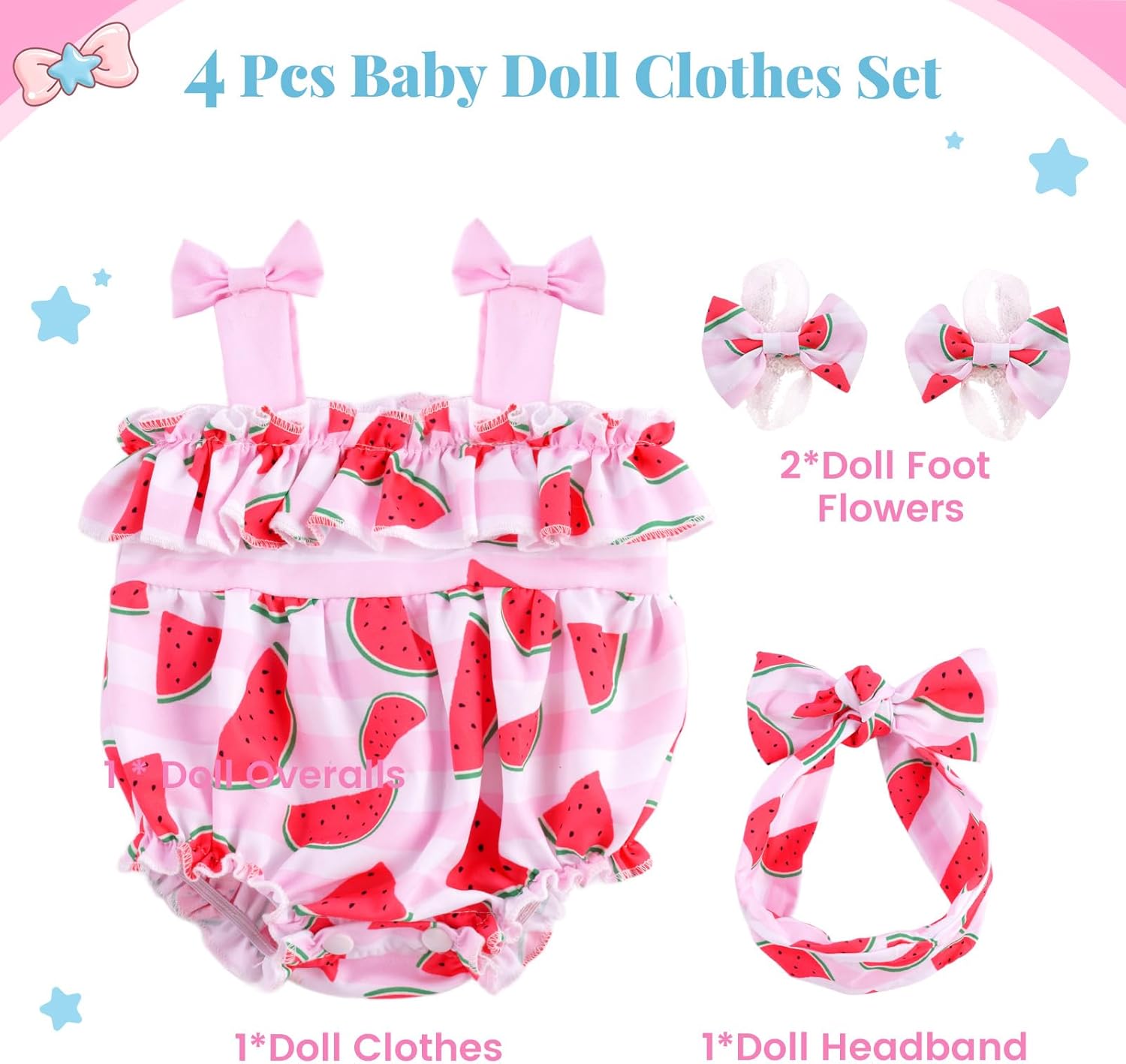
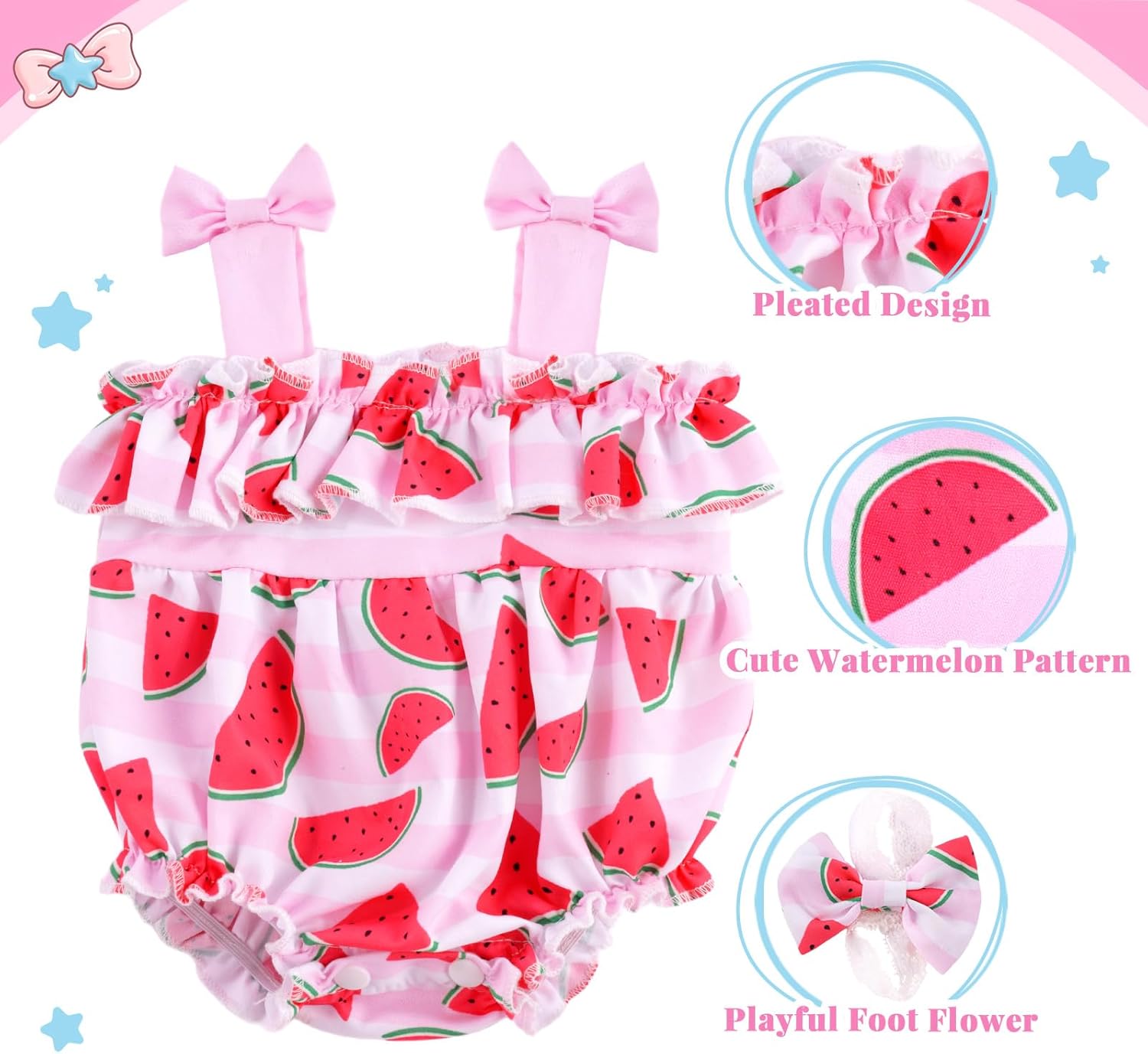
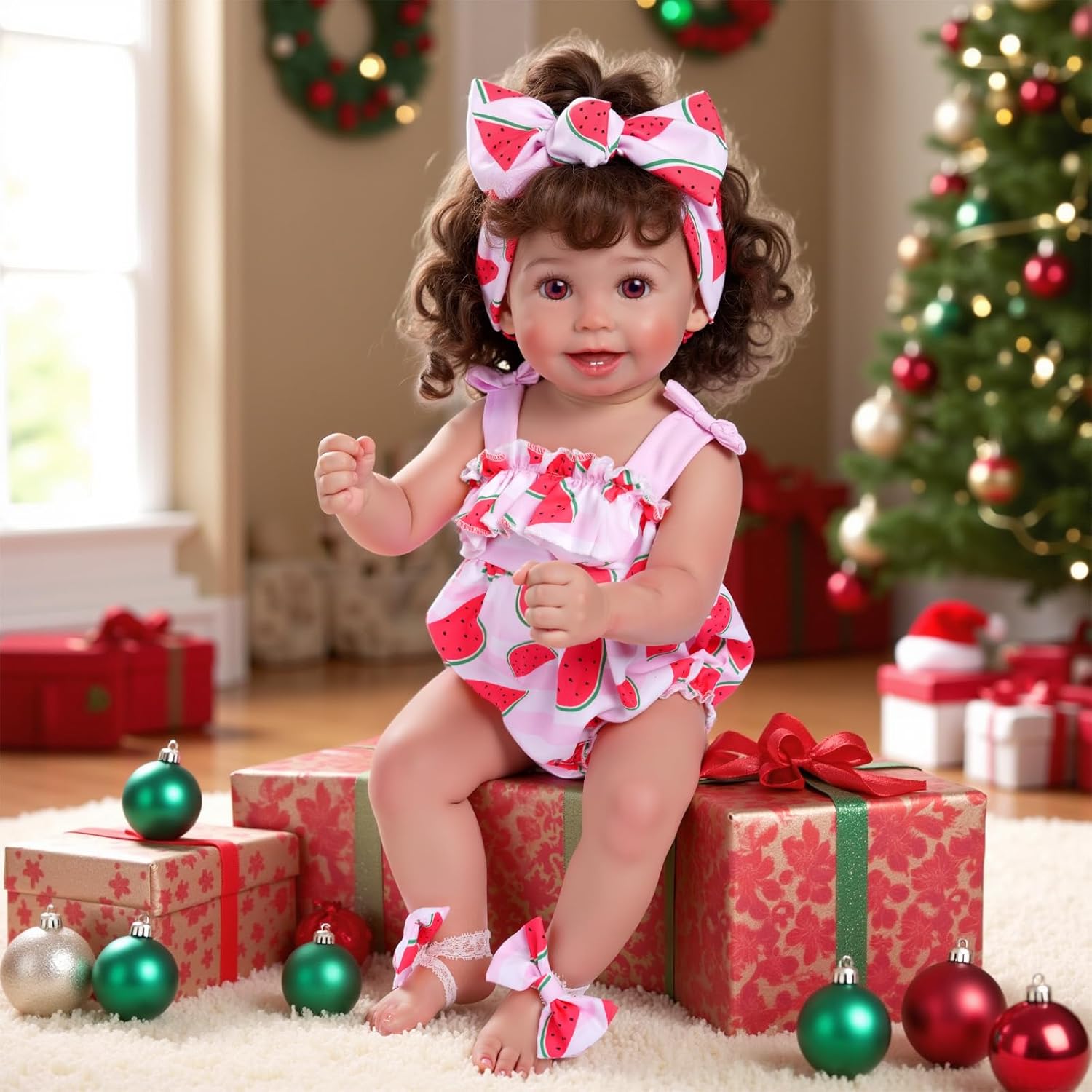
- ADORABLE WATERMELON OUTFIT FOR DOLLS – This 4 pcs reborn baby doll clothes set includes a cute watermelon doll clothes, a big bow headband, and two playful foot flowers. It adds a fresh summer vibe to your baby doll’s wardrobe, making pretend play even more fun
- SAFE & COMFORTABLE MATERIALS – Made from lightweight and comfortable fabric, these baby doll clothes are gentle on the skin and perfect for hours of pretend play. The adjustable straps and elastic waistband allow easy dressing and undressing, while the bow headband and foot flowers add a fun and charming touch to your doll’s look
- PERFECTLY SIZED FOR 17-20 INCH DOLLS – This reborn baby doll clothes set is designed to fit dolls that measure 17-20 inches. The exact fit ensures your doll is dressed comfortably and securely, allowing for longer, more enjoyable play sessions
- ENCOURAGES NURTURING PLAY – Dressing dolls is more than fun; it helps children practice care-taking skills, storytelling, and role-play. This set of baby doll clothes encourages creativity and develops empathy through pretend parenting play
- GREAT GIFT FOR LITTLE GIRLS – A thoughtful choice for birthdays, holidays, or special milestones, these reborn baby doll clothes bring extra joy to doll play.The sweet and playful design is sure to delight any child who loves watermelon or cute and colorful clothing


| Size | For 17-20 Inch Dolls |
|---|---|
| Color | Pink |
| Theme | Space |
| Pattern | Space |
| Brand Name | BABESIDE |
| Unit Count | 4.0 Count |
| Manufacturer | BABESIDE |
| Model Number | KSCLDH0768-CP |
| Material Type | Cotton |
| Item Dimensions | 5.9 x 2.3 x 0.1 inches |
| Included Components | 1 x Watermelon Clothing, 2 x Foot Flowers, Headband |
| Age Range Description | 3 yrs+ |
| Item Dimensions L x W | 5.9"L x 2.3"W |
| Manufacturer Part Number | BABESIDE Reborn Doll Clothes |
| Product Care Instructions | Machine Wash |
| Manufacturer Minimum Age MONTHS | 36.0 |



Bestseller ranking
Spies


Customers who viewed this product also viewed
Clothing


Correction of product information
If you notice any omissions or errors in the product information on this page, please use the correction request form below.
Correction Request Form