



IAQ Updates

Sick Building Syndrome: Testing, Treatment & Prevention
Modern society has culturally evolved to spend most of their time indoors. From routine activities such as cooking, working, reading, watching a movie, exercising, swimming, and even gardening, humans have adapted to live almost...
Testing for Cleanliness & Hygiene Standards
Following the Coronavirus pandemic, most people’s awareness and understanding about communicable diseases and infection control have been heightened. There is now a greater demand for cleanliness and hygiene. High…
What are the Causes and Health Effects of Mold in Schools?
Modern life has shifted our habits in a way that we spend considerably more time indoors than our ancestors. Since an early age, we are confined to indoor environments from nurseries to day-care and schools finally reaching...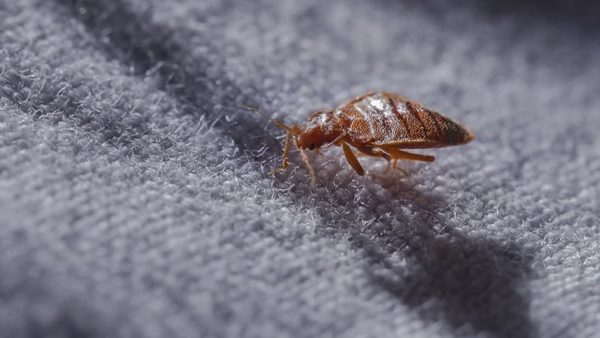
What are Bed Bugs and How To Get Rid of It?
Nowadays, on our normal routines, we spend on average a third of the time in bed. Either sleeping, navigating the internet or simply relaxing, the bed has become an essential element in our day. Since we spend so much time laying down...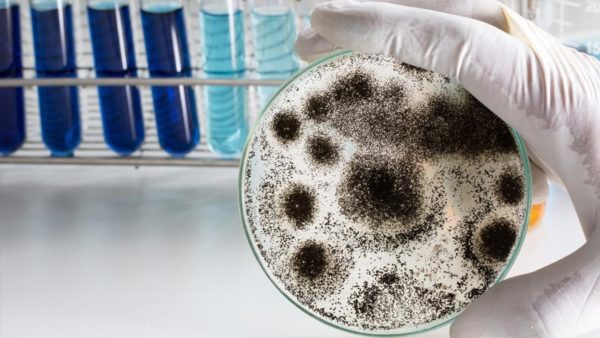
How Can IAQ Help Do Mold Cleanup?
In places faced with high humidity throughout the year, it is common to find little spots on the wall that can grow into a larger structure that can present smell and serious risk to your well-being. These slow-growing life forms can appear...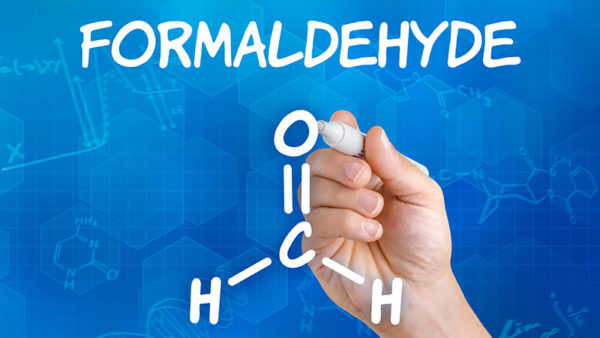
Formaldehyde in your Environment: what, where, why and how.
Modern society has become so technologically developed that it is hard to keep track of all the chemicals that we are exposed to during our daily lives. In some cases, products will present labeling and regulations that keep us from...